Property owners considering plumbing line installation often seek reliable local contractors to handle the project efficiently and effectively. Whether upgrading aging pipes, adding new lines for a renovation, or ensuring proper flow throughout a property, planning these improvements requires careful comparison of available service providers. Exploring local options allows property owners to find experienced professionals who understand the specific needs of the area’s buildings and infrastructure.
Continuing with the right information can help make informed decisions about plumbing line installation services. By reviewing local contractors, property owners can identify providers equipped to handle the scope of work needed for their projects. Keep reading to discover how to connect with qualified service providers in the area who can assist with planning and executing plumbing upgrades or installations.
- New Plumbing Line Installation - needed when installing new fixtures or remodeling a bathroom or kitchen.
- Water Line Replacement - required if existing water lines are leaking, corroded, or damaged.
- Outdoor Plumbing Line Setup - necessary for establishing irrigation systems or outdoor water features.
- Re-routing Plumbing Lines - needed during home renovations or additions that require moving existing pipes.
- Underground Plumbing Line Repair - required when detecting leaks or damages in buried pipes that affect water flow.
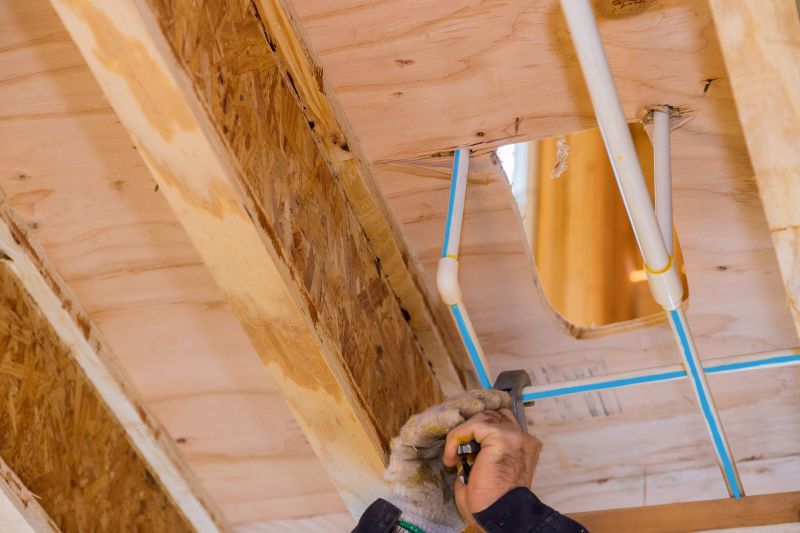
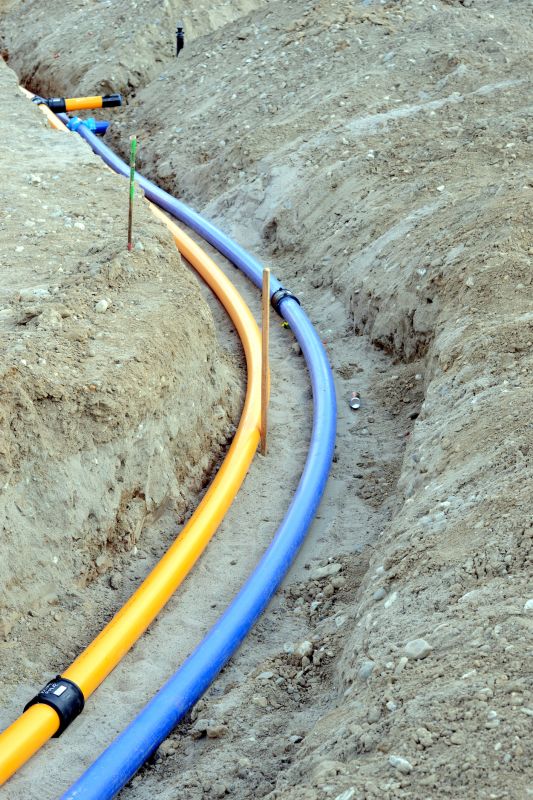
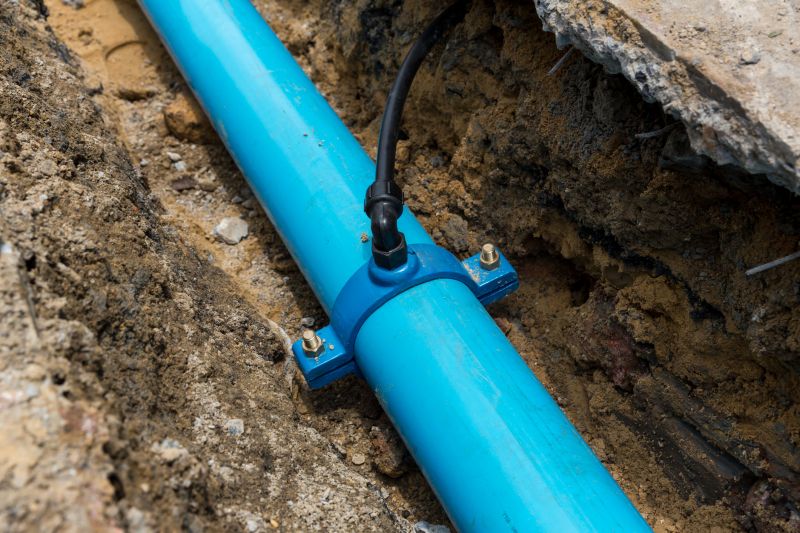
Plumbing line installation services involve setting up the network of pipes that supply clean water to a property and carry wastewater away. This process includes planning the layout, selecting appropriate materials, and installing pipes throughout the building’s foundation, walls, or ceilings. Proper installation ensures that water flows efficiently to sinks, toilets, appliances, and outdoor fixtures, while waste is safely directed to sewer or septic systems. Experienced contractors can handle both new construction projects and renovations that require updating or expanding existing plumbing systems.
These services help resolve common plumbing issues such as low water pressure, frequent leaks, or persistent clogs caused by outdated or improperly installed pipes. They are also essential when replacing corroded or damaged lines that may lead to water contamination or property damage. Proper line installation can prevent costly repairs down the line by ensuring the plumbing system functions reliably and efficiently. Additionally, new installations may be necessary when connecting a property to municipal sewer systems or when installing specialty piping for appliances like water heaters or filtration systems.
Properties that typically require plumbing line installation include new residential homes, commercial buildings, and multi-unit complexes. Homeowners undertaking major renovations or building from the ground up often need new plumbing lines to meet their specific needs. Commercial properties, such as restaurants or offices, may require specialized piping to accommodate larger water demands or unique fixtures. Multi-family residences or apartment complexes may also need extensive plumbing work to ensure all units have proper water supply and waste removal. Local contractors are equipped to handle projects of varying sizes, ensuring that plumbing systems are correctly installed and compliant with building codes.
If a property experiences persistent plumbing problems, or if there is a need for new water lines or sewer connections, professional plumbing line installation services are a practical solution. These services are suitable for homeowners planning major upgrades, new constructions, or property developments. By working with experienced local contractors, property owners can ensure their plumbing systems are installed correctly, helping to maintain reliable water service and proper waste management. Contacting local service providers can help identify the best solutions for specific property needs and ensure the work is completed to meet necessary standards.
The overview below groups typical Plumbing Line Installation projects into broad ranges so you can see how smaller, mid-sized, and larger jobs often compare in your area.
In many markets, a large share of routine jobs stays in the lower and middle ranges, while only a smaller percentage of projects moves into the highest bands when the work is more complex or site conditions are harder than average.
Smaller Repairs - Typical costs for routine plumbing line repairs, such as fixing leaks or replacing a section of pipe, generally range from $250 to $600. Many projects in this category fall within this middle range, though costs can vary based on pipe accessibility and extent of damage.
Fixture Replacements - Replacing fixtures like sinks or toilets usually costs between $150 and $800, depending on the fixture type and complexity of installation. Most projects stay within this range, with fewer instances reaching higher prices for premium fixtures or additional work.
Full Line Replacement - Complete replacement of plumbing lines can typically range from $3,000 to $8,000 for standard homes. Larger, more complex projects or older properties may see costs exceeding this range, especially if extensive excavation is required.
Large-Scale Installations - Installing new plumbing systems for additions or major renovations can cost $10,000 or more. These projects are less common and often involve significant planning, material costs, and labor, leading to higher overall expenses.
Actual totals will depend on details like access to the work area, the scope of the project, and the materials selected, so use these as general starting points rather than exact figures.
Water Heater Installation - involves planning and installing plumbing lines to supply hot water efficiently throughout a building.
Bathroom Remodel Plumbing - requires rerouting and connecting plumbing lines for sinks, tubs, and toilets, similar to new line installation projects.
Kitchen Plumbing Upgrades - includes installing or replacing water supply and drainage lines for sinks, dishwashers, and water filters.
Sewer Line Replacement - involves replacing or repairing underground sewer pipes, requiring similar excavation and pipe connection skills.
Fire Sprinkler System Installation - entails installing complex piping networks for fire suppression, sharing planning and piping skills with plumbing line work.
Underground Drainage System Setup - involves laying out and connecting underground pipes to manage stormwater or wastewater effectively.
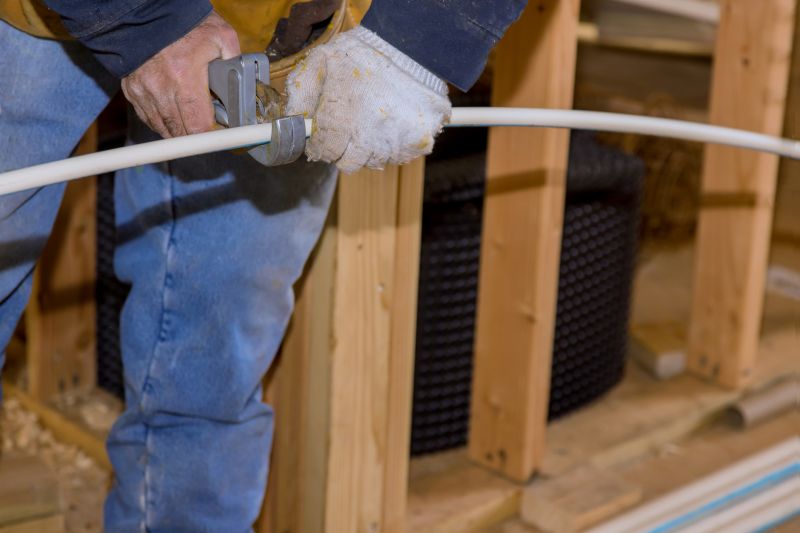
When evaluating potential contractors for plumbing line installation, it’s important to consider their experience with similar projects. Homeowners should inquire about how many jobs they have completed that closely resemble the scope and complexity of the work needed. A contractor with a solid track record in handling plumbing line installations can often provide insights into common challenges and best practices, helping to ensure the project proceeds smoothly. Looking for local contractors who have demonstrated expertise in comparable jobs can provide added confidence that they understand the specifics of the local plumbing systems and building codes.
Clear, written expectations are a crucial aspect of choosing a reliable service provider. Homeowners should seek contractors who can offer detailed proposals outlining the scope of work, materials to be used, and any relevant procedures. Having this information in writing helps prevent misunderstandings and provides a reference point throughout the project. When comparing options, it’s beneficial to look for providers who communicate their plans openly and can answer questions thoroughly, ensuring that expectations are aligned before work begins.
Reputable references and effective communication are key indicators of trustworthy local contractors. Homeowners can ask for references from previous clients who had similar work done to gauge the quality of the contractor’s performance and professionalism. Good communication-characterized by prompt responses, clarity, and a willingness to address concerns-can make the entire process more manageable. While this site introduces homeowners to local service providers, it’s important to remember that selecting a contractor who is transparent, responsive, and well-regarded by past clients can contribute significantly to a successful plumbing line installation.
Property owners use Plumbing Line Installation services for practical projects around their homes and businesses. This guide focuses on everyday jobs and straightforward project options.
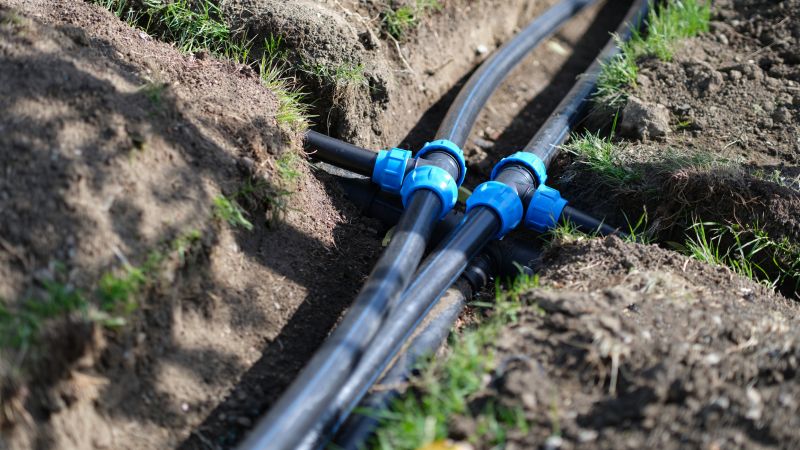
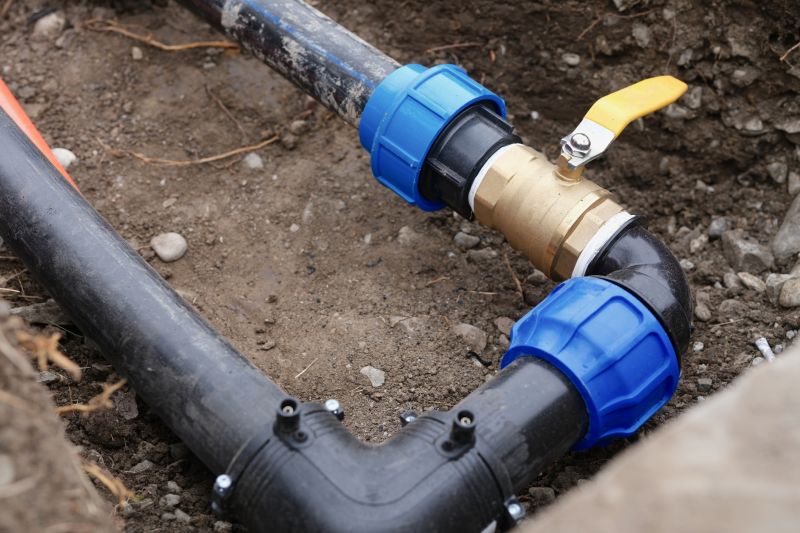
Plumbing line installation services are often needed during major property upgrades, new construction projects, or when existing pipes become outdated or damaged. Property owners may seek assistance from local contractors to ensure proper setup of water supply lines, drainage systems, or gas lines to meet their household or commercial needs. These projects typically require reliable expertise to handle the complexities of plumbing infrastructure, helping to prevent future issues and ensure the system functions efficiently.
In addition, property owners might look for local professionals when installing new appliances like dishwashers, refrigerators, or water heaters that require connection to existing plumbing lines. Renovations or repairs that involve rerouting or extending plumbing also often prompt property owners to contact local service providers. Connecting with experienced contractors helps ensure these projects are completed correctly, reducing the risk of leaks, water damage, or other plumbing-related problems.
What is involved in plumbing line installation? Plumbing line installation includes setting up new pipes or replacing existing ones to ensure proper water flow within a property. Local contractors can assess the space and determine the best approach for your needs.
How do I know if my plumbing lines need to be replaced? Signs such as persistent leaks, low water pressure, or frequent clogs may indicate the need for line replacement. Consulting with local service providers can help evaluate the condition of your plumbing system.
What types of materials are used for plumbing line installation? Common materials include copper, PEX, and PVC pipes. Local contractors can recommend the best options based on your property's requirements and local building codes.
Can plumbing lines be installed in existing walls or floors? Yes, experienced local contractors can install or reroute plumbing lines within walls and floors, often with minimal disruption, depending on the property's structure.
What should I consider before scheduling plumbing line installation? It's important to evaluate the scope of the project, existing plumbing layout, and access points. Local service providers can help plan the installation to suit your property's setup.
New Plumbing Line Installation - When adding a new bathroom or kitchen, property owners can hire local contractors to install the necessary plumbing lines for sinks, toilets, and appliances.
Repiping Services - If existing pipes are old or damaged, property owners might consider replacing them to improve water flow and prevent leaks throughout the building.
Upgrading Plumbing Systems - Homeowners planning renovations can work with local service providers to upgrade outdated plumbing lines to meet current standards and enhance system efficiency.
Emergency Plumbing Line Repairs - In cases of sudden pipe bursts or leaks, property owners can contact local pros to quickly replace or repair damaged plumbing lines to restore proper function.
If you are thinking about Plumbing Line Installation for a property, this guide is meant to help you understand the work, the typical project types, and how different options might fit your plans.
When you are ready, you can use the quote form on this page to share a few details about your project. From there, local pros can review the basics and respond with options that match what you have in mind.